
Last updated October 17, 2026
 Wrought iron
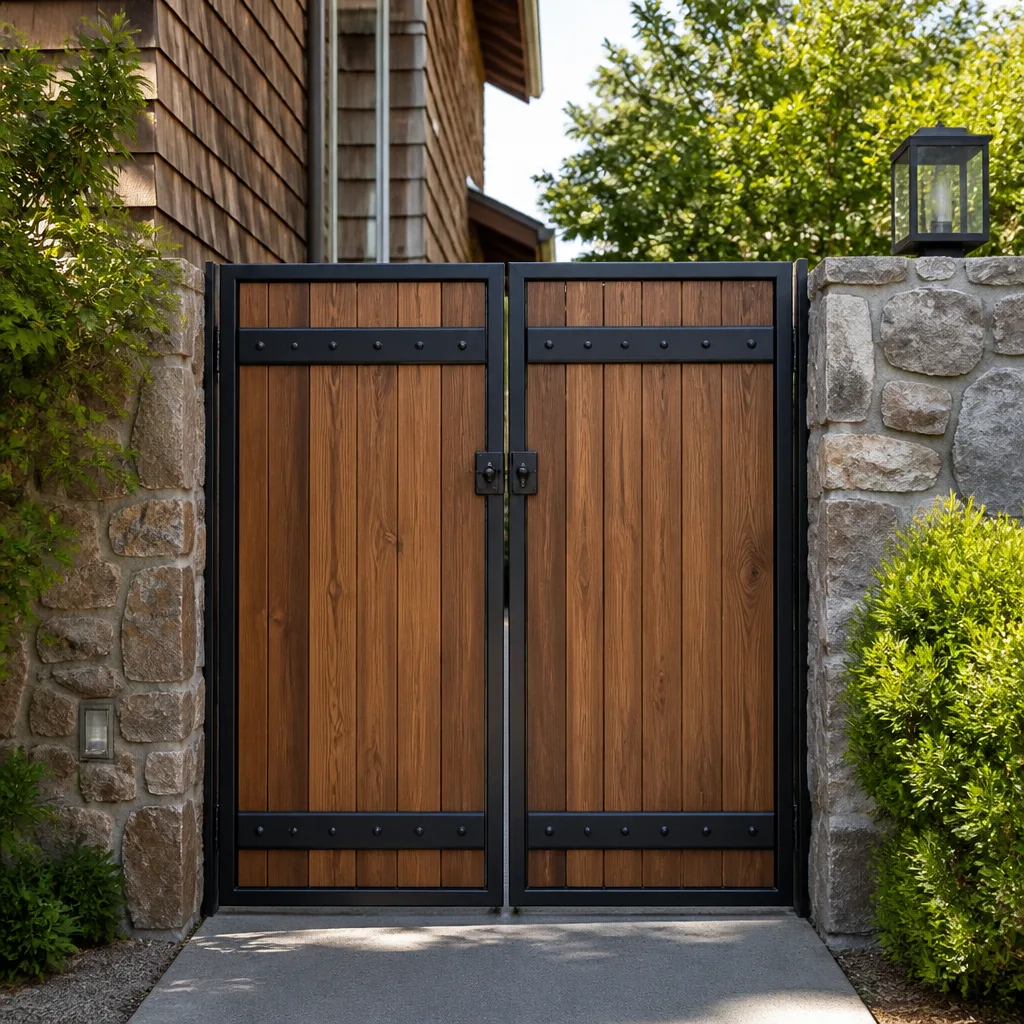 Wood & steel frame
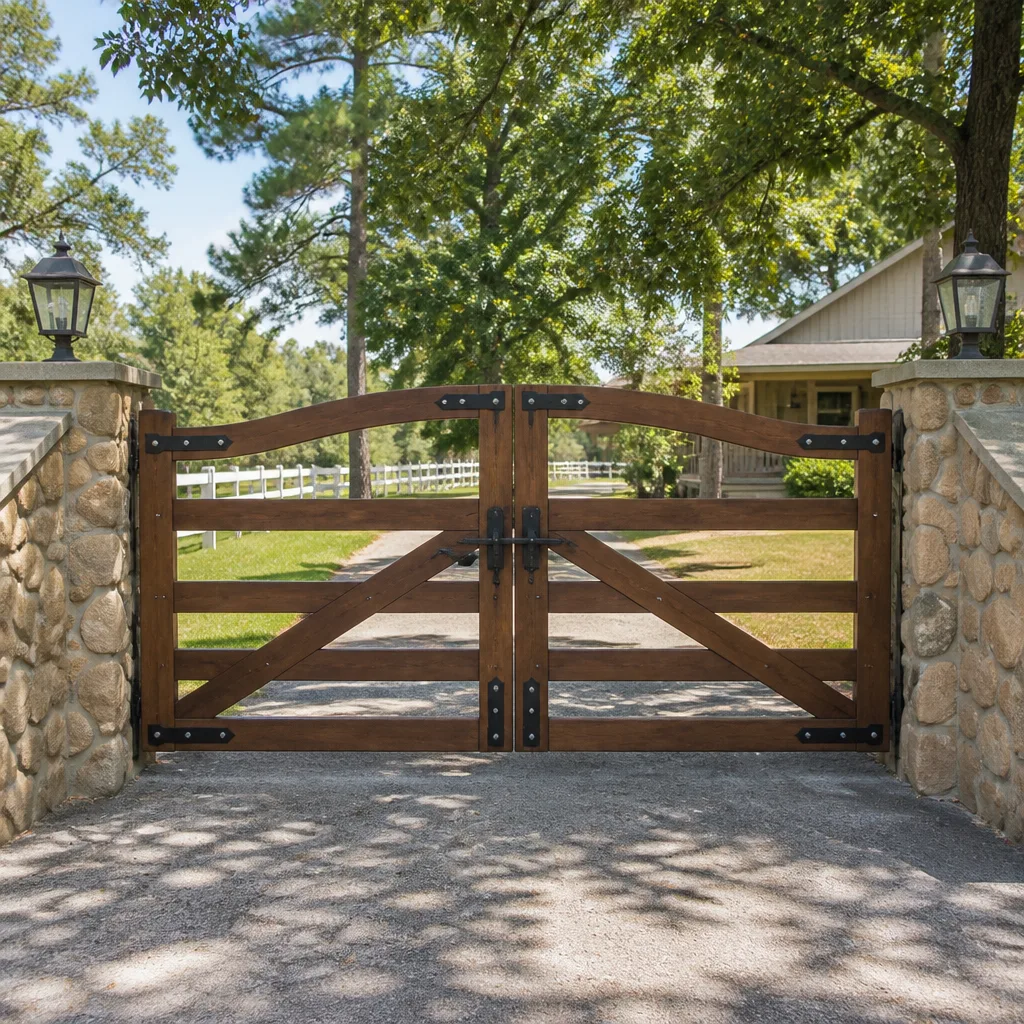 Farm & ranch
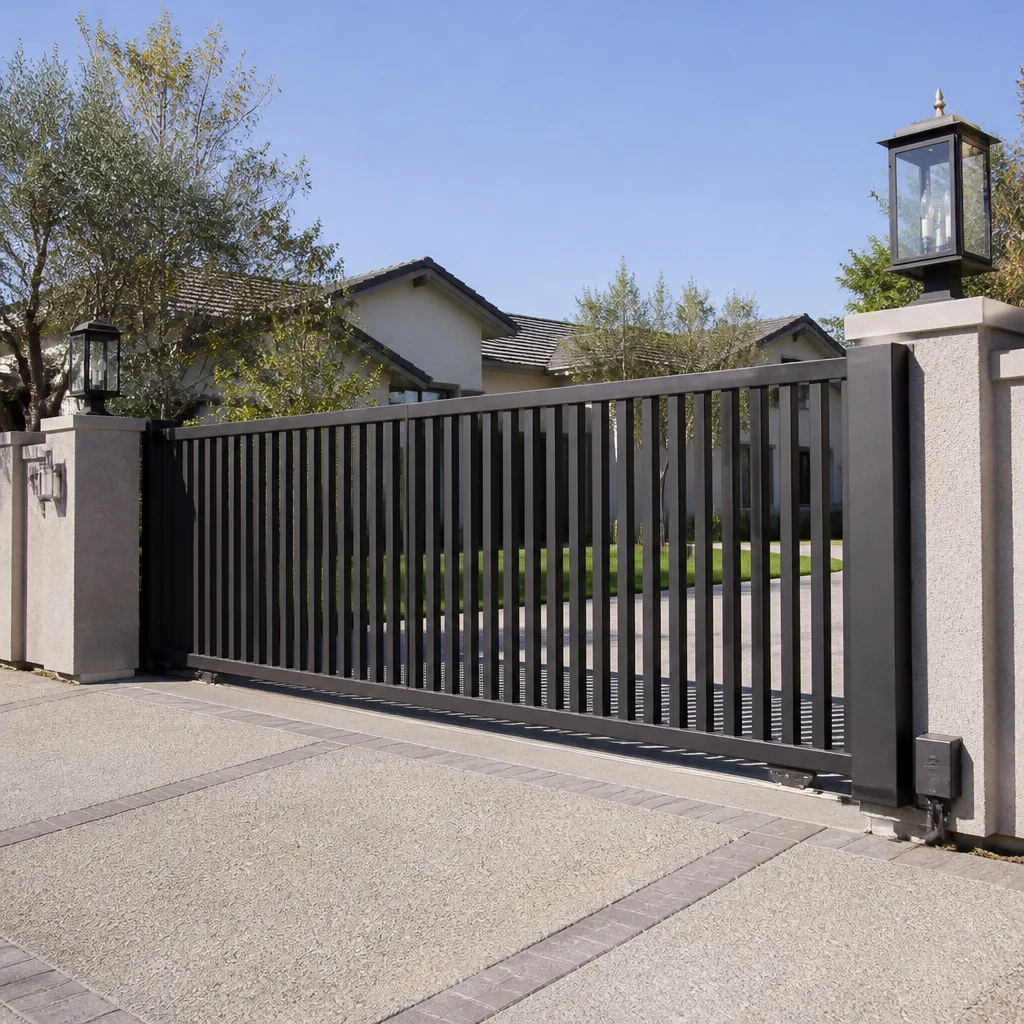 Sliding driveway gates
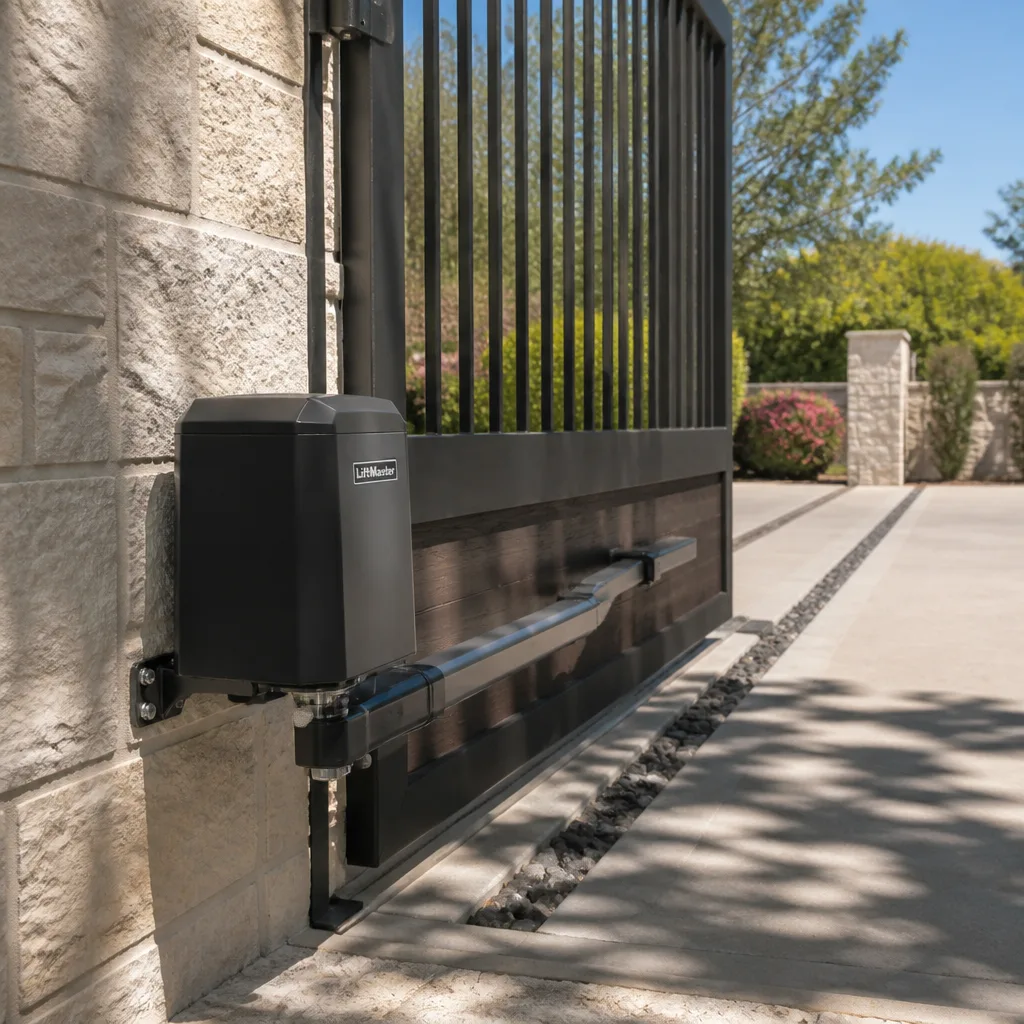 LiftMaster operators
Free on-site gate assessment - hinges, posts, and your LiftMaster or Nice gate operator checked before anything is quoted
The assessment is free and the quote is the invoice.
Get your free estimateGate Repair Warning Signs: A Tampa Homeowner’s Reference Guide
Most gate warning sign lists are useless because they stop at “your gate makes a funny noise.” That’s like telling a Tampa homeowner their roof leaks when it rains. You already know that. What you need is the translation layer: what does that grinding sound actually mean, what will it cost me if I fix it now, and what will it cost if I ignore it through one more Florida summer? This guide pairs every common symptom with its likely cause and the dollar difference between catching it early and paying for the cascade, while our more guides & resources cover related topics in depth. We’ve seen these exact patterns on hundreds of Tampa gates, from Davis Islands to Westchase to Carrollwood, and we’ll walk you through what matters and what doesn’t.
Quick Answer
The gate repair warning signs Tampa homeowners should never ignore are: hesitation before movement (failing capacitor or motor winding), grinding or squealing (dry or worn gears and bearings), sagging that worsens month over month (hinge or post fatigue), partial travel or reversal mid-cycle (obstruction sensor or limit switch failure), and remote range that shrinks week by week (receiver or antenna corrosion). For professional help with any of these, see our Gate Repair services. A gate that fails its monthly safety reverse test is a liability exposure and should be taken out of service until repaired. Early intervention on any of these typically costs $85 to $250; ignoring them for six to twelve months in Tampa’s heat and humidity regularly turns them into $500 to $900 motor or hinge replacements.
Styles & brands we work with
Table of Contents
- Symptom-to-Cause Table: What Your Gate Is Telling You
- Tampa-Specific Warning Signs National Guides Miss
- The Monthly Safety Reverse Test Every Tampa Homeowner Should Perform
- Cosmetic vs. Structural Rust: The Two-Minute Magnet Test
- When to Wait, When to Stop Using the Gate
- The Real Cost of Delaying Gate Repair in Tampa
- What Your Gate’s Brand Tells You About the Fix
- Common Mistakes to Avoid
- When to Call a Professional
- Frequently Asked Questions
Symptom-to-Cause Table: What Your Gate Is Telling You
Every observable behavior on your gate is a diagnostic clue. The problem is that most homeowners stop at the symptom level and never learn what it points to. Here’s the translation table we use on first visits across Tampa. The cost figures reflect what we see in this market as of 2025, and they assume the issue is caught before it spreads.
What You See → What It Means → What It Costs
- Gate hesitates 1 – 3 seconds before moving → Most likely a failing capacitor on the operator, especially with LiftMaster LA500 and comparable swing arm units. Capacitors store the burst of energy needed to start the motor. In Tampa’s heat, they degrade faster than in cooler climates. Early fix: $85 – $140. Wait 3 – 4 months: the capacitor dies, the motor draws current through undamped windings, and you’re replacing a $500 – $700 motor.
- Grinding or metallic rasp when the gate moves → Dry or failed drive gears inside the operator, or hinge pins that have lost their bearing surface. If this is a slide gate, it’s often the gear rack. Early fix: $110 – $180 for gear service or hinge replacement. Ignore it for a season: the rack wears irregularly, the motor works against resistance, and a $700 – $1,000 operator replacement is on the table.
- Squealing or high-pitched whine while moving → Belt-driven operators with a stretched or glazed belt, or a pulley that’s lost its bearing. On chain-driven units, it’s a chain that’s tightened past spec. Early fix: $90 – $150. Left too long, the belt snaps and the gate becomes a dead weight; on a heavy steel gate that means a $500 – $800 repair with safe-lifting equipment.
- Gate sags visibly, drags at the latch end → Hinge fatigue or a post that’s leaning out of plumb. This is structural, not cosmetic. The gate is putting shear load on the post every time it swings. Early fix: $180 – $300 for hinge and post reinforcement. Wait until it drags hard: the post can crack at the base, concrete footer repair is $600 – $1,000, and in some Tampa neighborhoods with older footers, a full post reset is required.
- Gate travels partway, then reverses or stops → Entrapment protection sensors reading false obstruction (often a wire ground fault from Tampa’s wet soil), or a limit switch losing calibration. Early fix: $120 – $200 for sensor calibration or limit switch replacement. Ongoing false reversals can burn out the operator’s logic board, a $350 – $500 part.
- Remote range shrinks from 80 feet to 20 feet or less → Corroded antenna connection, failing receiver board, or water ingress in the operator housing. Tampa’s salt air near the bay plus summer thunderstorms accelerates this. Early fix: $95 – $160. When the receiver board fully fails, that’s a $250 – $400 replacement with programming.
- Gate slams shut instead of soft-closing → Failed damper or missing soft-close mechanism. On hydraulic operators, it’s low fluid or a leaking seal. Early fix: $100 – $180. Ignored, the repeated slamming fatigues welds on the gate frame, and weld repair plus repainting runs $400 – $600.
We tell every Tampa homeowner the same thing: these symptoms are talking to you. The longer you wait, the more expensive the vocabulary becomes.
Tampa-Specific Warning Signs National Guides Miss
Most gate repair content online was written by someone who has never stood in a Tampa backyard in August. The climate here produces warning signs that a generic national guide will never mention. Here are the three we look for first on every service call in this market.
1. White Calcium Deposits on Gate Post Bases
You’ll see a chalky white crust forming where the gate post enters the concrete footer. That’s not paint oxidation. It’s mineral efflorescence, and it means water is wicking through the concrete and carrying dissolved calcium to the surface. In Tampa, our rainfall patterns mean the soil around footers goes through repeated saturation and drying cycles. Over years, that cycling erodes the concrete from the inside. A post with heavy calcium deposits is often sitting in a footer that’s losing structural integrity. Early intervention, which means draining water away from the base and sealing the footer, runs around $200 – $300. A post that’s allowed to loosen in a degrading footer is a $900 – $1,200 reset and repour.
2. Rust Bleed Lines Running Downward from Weld Points
On fabricated steel and wrought iron gates, look at every weld point: where pickets meet the horizontal rails, where hinges attach, where the latch plate sits. If you see thin orange-brown lines running vertically down from a weld, that’s not surface rust. It’s internal oxidation at the joint, and water has found a path into the microscopic gap between the weld bead and the parent metal. Tampa’s humidity keeps that corrosion active year-round. The visual line is the stain from rust bleeding out, which means the joint is compromised inside. Early fix: weld grinding, re-welding, and touch-up coating, $150 – $300 per joint depending on access. Ignored, the joint fails and you’re looking at a $500+ structural repair, or a gate section that can’t be saved.
3. Ant Trails Entering the Operator Housing
This one surprises people, but we see it constantly in Tampa. Ants are drawn to the warmth and the electromagnetic field of gate operator circuit boards. They build nests inside the housing, and their bodies and waste create conductive paths across the board. A homeowner sees a few ants on the keypad and thinks pest control issue. It’s actually an electronics failure waiting to happen. We’ve opened BFT and FAAC operator housings in South Tampa and found boards completely bridged with ant debris. The fix when caught early is a cleanout and a sealed entry point, around $85 – $120. The fix when ignored is a $300 – $500 board replacement.
If you’re a Tampa homeowner and you see any of these three signs, the smart move is a quick inspection. You can reach the team at Latch and Post Gate Repair Tampa home for an honest read on what you’re looking at.
The Monthly Safety Reverse Test Every Tampa Homeowner Should Perform
Every automatic gate opener sold in the United States since 2000 is required to include a safety reverse mechanism that detects resistance and reverses direction. On a properly functioning gate, if the leading edge hits a child on a bicycle or a dog running through, the gate stops and reverses before causing injury. But this system only works if it’s tested, and almost no one tests it.
Here’s the monthly routine we recommend for every automatic gate in Tampa:
- Use a rigid object, not your body. Place a trash can, a cardboard box filled with towels, or a wood scrap in the path of the gate’s leading edge.
- Cycle the gate closed. Stand clear and watch what happens when the edge contacts the object.
- Check the response. The gate should stop within a second of contact and reverse at least two inches. It should not push the object forward, strain, or continue closing.
- Test the photo eyes separately. Wave your hand through the beam while the gate is closing. The gate should stop and reverse immediately.
- Repeat on both sides if you have a double gate. Each leaf has its own safety circuit.
If the gate fails this test, it is not a “schedule something when you get around to it” situation. A gate that doesn’t reverse on contact is a liability. In Florida, a homeowner can be held responsible for injuries caused by a known hazard on their property. If a neighbor’s child or a delivery driver is injured because your gate didn’t reverse, knowledge of the defect matters in court. The legal exposure far exceeds the repair cost.
Our team at Gate Repair in Tampa has corrected hundreds of failed safety reverse systems, and most are straightforward sensor calibration or limit switch adjustments in the $120 – $200 range. A gate that pushes through the contact test needs attention now, not next month.
Cosmetic vs. Structural Rust: The Two-Minute Magnet Test
Tampa’s salt air and humidity mean every steel gate will eventually show some rust. The question is whether you’re looking at a $30 weekend cosmetic project or a structural failure that compromises the gate’s ability to hold together. You can tell the difference in about two minutes with a magnet and your thumbnail.
The Procedure
- Tap the rusted area gently with a screwdriver handle or the back of a wrench. If the metal rings solid, the rust is likely surface-level. If it sounds dull or thuds, the corrosion has gone deeper.
- Run a strong pocket magnet across the rusted section. Steel, even rusted steel, is ferromagnetic. If the magnet pulls hard against the metal, the underlying material is still solid. If the pull is weak or the magnet crackles over the area, you’re feeling flaking delaminated metal.
- Press your thumbnail into the rust. If it’s a hard, dark patina that doesn’t chip off, you’re looking at surface oxidation that’s actually protecting the metal underneath. If your nail sinks in and flakes come away, that’s active rot.
- Check the cross-section of structural elements. Look at the bottom rail of the gate and the hinge mounting plates. These carry the gate’s entire weight. Rust that has eaten through more than 25 percent of the material thickness in these areas is structural, not cosmetic.
Cosmetic rust is a home project. Sand it, prime it, paint it. Structural rust is a gate repair job. On a Tampa wrought iron gate, a hinge mount that’s lost material to corrosion is a falling gate waiting for the right wind gust. We see this constantly on older gates in Hyde Park and Seminole Heights, where the gates are beautiful and the coastal air has been working on them for decades. That’s exactly the kind of issue covered under Gate Installation in Tampa when it’s time to replace rather than repair.
When to Wait, When to Stop Using the Gate
Not every warning sign warrants the same response. Some issues are maintenance tickets. Others mean the gate should be disconnected and locked until a technician arrives. Here’s the decision framework we use with every Tampa customer.
You Can Wait (Schedule at Your Convenience)
- Remote range has shortened but the gate still opens reliably from outside. The safety systems are intact. This is a convenience issue, not a safety one.
- Cosmetic rust on decorative elements that doesn’t affect hinges, posts, or latch hardware.
- Minor sagging where the gate still latches and swings without scraping.
- An occasional squeak that disappears when temperatures cool or after a rain.
- Keypad works but has a dead pixel or faded buttons. Order the part, fix it when it arrives.
Do Not Use This Gate Until Repaired
- The gate fails the safety reverse test. A gate that doesn’t reverse on contact can injure a child, a pet, or an adult. Disconnect the operator and use the manual release. This is the single most important line on this list.
- A hinge weld is visibly cracked or a hinge pin has worked its way partially out. The gate is now hanging on partial hardware. Wind gusts in Tampa’s summer storms can exceed 50 mph. A gate that weighs 300 – 600 pounds becomes a projectile.
- The gate post leans more than about one inch out of vertical. A leaning post is a structural failure in progress. Every cycle of the gate adds shear stress. Stop cycling it.
- You see live sparking or smell burning plastic from the operator housing. Kill power at the breaker and leave it off. Electrical shorts in gate operators can start fires, and the housing is often mounted to a wood post or near dry brush.
- The gate slams violently at either end of its travel. That’s enough impact force to shear bolts and crack welds. Using it is compounding the damage.
We’ve seen the aftermath of waiting too long in every Tampa neighborhood we serve. A gate that falls on a car in a driveway is a several-thousand-dollar insurance claim. A gate that falls on a person changes the rest of the family’s year. When in doubt, lock the gate open and make the call. If you’re dealing with an electric gate issue, Electric Gate Repair in Tampa covers the full scope of what we do.
The Real Cost of Delaying Gate Repair in Tampa
Tampa’s climate punishes neglect faster than most markets. The combination of heat, humidity, salt air near the bay, and daily summer thunderstorms means the window between “minor issue” and “major repair” is shorter here than in, say, Phoenix or Denver. Let’s put real numbers on what delay costs.
We tracked repair invoices across our Tampa service area over a recent three-year period and compared jobs where the customer called within the first month of noticing a symptom against jobs where the symptom had been present for six months or more. The pattern is consistent.
Hesitating operator: First-month repair averaged $112. Six-month-later repair averaged $640.
Grinding noise: First-month repair averaged $145. Six-month-later repair averaged $720.
Sagging gate: First-month repair averaged $240. Six-month-later repair averaged $850.
Failed safety reverse: The repair cost is roughly the same whether it’s caught early or late, $130 – $220. But the exposure between discovery and repair is measured in liability risk, not dollars. This is the one where delay has no financial upside.
The math is straightforward. Tampa’s heat degrades electrical components faster than manufacturer testing cycles predict. A capacitor that would last five years in a cooler climate might last three years here. Every month of continued operation with a failing component adds stress to the components around it. What starts as a $100 part becomes a $700 assembly. The cheapest gate repair in Tampa is the one you schedule when you first hear something change.
What Your Gate’s Brand Tells You About the Fix
We’re factory-trained on the brands Tampa families actually have in their driveways, and each brand has its own failure personality. Knowing yours helps you assess what a warning sign likely means.
FAAC operators are common on higher-end swing gates in Tampa neighborhoods like Beach Park and Culbreath Isles. They’re well-built, but their hydraulic and electromechanical components are sensitive to power surges. If a FAAC gate starts behaving erratically after an afternoon thunderstorm, a surge-damaged logic board is the first suspect. Repair costs run $180 – $500 depending on the board generation.
BFT units show up frequently on mid-range residential slide gates. The most common BFT failure we see in Tampa is limit switch drift caused by thermal cycling. A BFT gate that stops three inches short of closed in August but works fine in January is telling you the limit switch is tired. This is typically a $130 – $200 fix.
Linear and Viking operators are workhorses, but they’re not immune to Tampa’s ant intrusion problem. We open more Linear housings with insect damage than any other brand, because the housing seals degrade in UV exposure and create ant entry points. A Viking running erratically after years of reliable service often has a simple receiver board corrosion issue from condensation, a $150 – $250 repair.
The point is that brand identity is diagnostic information. When you call a gate repair company in Tampa, telling them “it’s a BFT slide gate doing this specific thing” gets you to the right answer faster than just saying “my gate is broken.” And when the technician arrives, a written price should be in your hand before any work begins. That’s the standard we hold at Gate Repair in Tampa and it’s not negotiable.
Common Mistakes to Avoid
- Lubricating without diagnosing. A homeowner sprays WD-40 or lithium grease on a gate that’s actually grinding because of a failing bearing. The lube quiets the noise for two weeks, and the bearing continues to degrade. The symptom is masked, not fixed. WD-40 is also not a lubricant; it’s a water displacer, and it strips existing grease.
- Ignoring a gate that “still works fine” after it starts hesitating. The hesitation is the capacitor telling you it’s dying. “Still works” just means “hasn’t failed yet.” Every operational cycle is taking hours off the motor’s remaining life.
- Treating a leaning post as a cosmetic issue. A post that’s drifted out of vertical even half an inch is under load it wasn’t designed for. Waiting until the gate drags means the post has likely cracked at its base, and the repair bill triples.
- Adjusting the close force instead of testing the safety reverse. Some homeowners respond to a gate that won’t close fully by cranking up the force setting on the operator. This can override the safety reverse and turn a normal gate into an injury machine. Never adjust force settings without understanding the safety implications.
- Painting over active rust without treatment. Paint over active corrosion seals moisture inside and accelerates the decay. The rust must be removed or chemically treated first, then primed, then painted. In Tampa’s humidity, this order matters more than in drier climates.
- Not knowing where the manual release is. Every automatic gate has a manual release mechanism. If the operator fails, you need to know how to open the gate by hand. Most Tampa homeowners we meet have never used theirs. Find it, test it, and make sure it works before you need it during a storm evacuation.
When to Call a Professional
A gate repair is within a homeowner’s reach when it’s limited to things like tightening a loose latch screw, touching up cosmetic paint, or replacing a keypad battery. If you’re unsure whether to DIY or hire, read How to Hire a Gate Repair Contractor in Tampa: A Step-by-Step Guide. The moment the job touches hinges under tension, operator components, safety systems, or structural posts, a professional is the right call. Gate springs, especially on heavier gates, are under enough stored tension to cause serious injury if released incorrectly. Operator circuit boards are line-voltage adjacent. A leaning post requires equipment and rigging. None of these are weekend projects.
We built Latch and Post Gate Repair Tampa around a simple set of commitments: written pricing before work starts, drop cloths and shoe covers on every visit, cleanliness documented with a photo before we leave, and quiet tools when the kids are asleep. If your gate is showing warning signs and you want an honest assessment from someone who services the brands you own, call (850) 789-6299 for a free estimate. We’ll tell you what’s wrong, what it costs, and whether it can wait. No pressure.
Frequently Asked Questions
The most serious gate warning signs are a gate that fails its safety reverse test, a visibly leaning gate post, a cracked hinge weld, or live sparking and burning smells from the operator housing. Each of these means the gate can fail catastrophically or injure someone, and each warrants taking the gate out of service and calling a professional immediately. For everything else, schedule at your convenience. Call (850) 789-6299 for a free evaluation.
Gate repair in Tampa typically ranges from $85 to $250 for most early-intervention fixes like capacitor replacement, limit switch calibration, sensor repair, or hinge service. Major repairs like motor replacement, post reset, or operator board replacement run $500 to $1,200 depending on the brand and the gate’s size. Every quote from Latch and Post Gate Repair Tampa is written and delivered before any work starts.
Yes, most capacitor, sensor, and limit switch repairs can be completed in a single visit, and we carry common parts for LiftMaster, FAAC, BFT, Linear, Viking, and Ghost Controls in our service vehicles. Calls are answered by a live person 24 hours a day, 7 days a week, including nights and weekends. If you have an urgent safety issue, calling (850) 789-6299 gets you a real human who can assess the situation immediately.
Use a magnet and your thumbnail. A strong magnetic pull and a hard, dark patina that doesn’t flake off means surface rust that’s cosmetic. A weak pull, flaking metal coming away under your nail, or a dull thud when you tap the area means the corrosion has compromised the metal. If the rust is on a hinge plate, bottom rail, or post and covers more than 25 percent of the material thickness, treat it as structural.
Tampa’s combination of heat, humidity, salt air near the bay, and daily summer storms means gate components degrade faster here than in most markets. Capacitors fail sooner, operators collect more insect intrusion, and concrete footers erode from constant wet-dry cycling. A national guide won’t mention white calcium deposits on posts or rust bleed lines from weld points as warning signs, but these are exactly what we look for on every Tampa service call. For maintenance tips tailored to this climate, see Seasonal Gate Repair Care for Tampa: Year-Round Homeowner’s Guide.
We service operators and gate hardware from LiftMaster, FAAC, BFT, Linear, Viking, Ghost Controls, DoorKing, Elite, and Mighty Mule. If your gate uses one of these brands, we can diagnose and repair it correctly on the first visit. Every repair and installation is backed by our 365-Day Done Right Promise: if it’s not right, we make it right. Call (850) 789-6299 to schedule.
The Bottom Line
A gate that hesitates, grinds, sags, or fails its safety reverse test is sending you a specific message. The question is whether you’ll listen at the $100 stage or the $700 stage. Tampa’s climate accelerates every failure curve, which means the gap between early and late intervention is shorter and more expensive here than most homeowners expect. Perform the monthly safety reverse test. Learn the difference between cosmetic and structural rust. Know where your manual release is. And when a warning sign shows up, call a professional who will give you a written price before touching anything. That’s the standard Latch and Post Gate Repair Tampa home has held since 2009, and it’s the standard your gate deserves.
Written by Cody Beckman, Owner at Latch and Post Gate Repair Tampa, serving Tampa since 2009.
See the difference
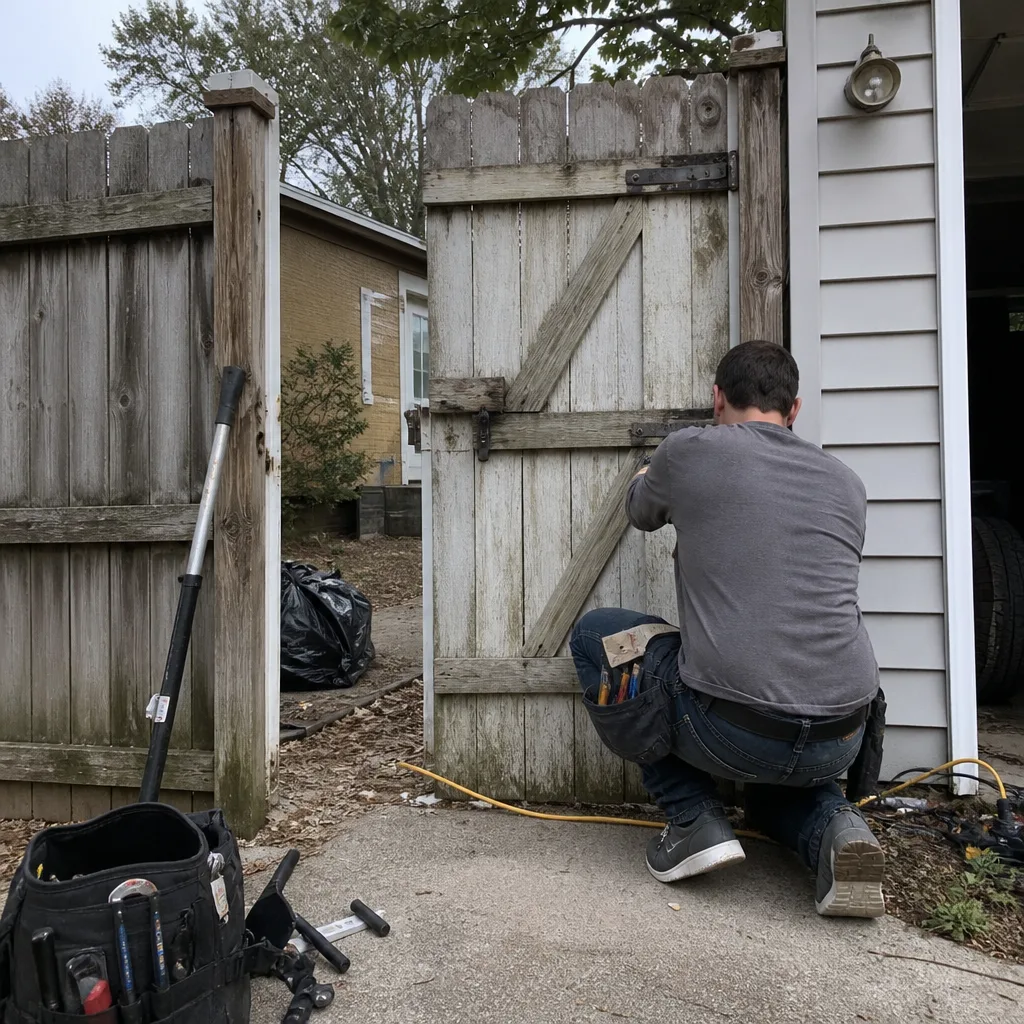 Before
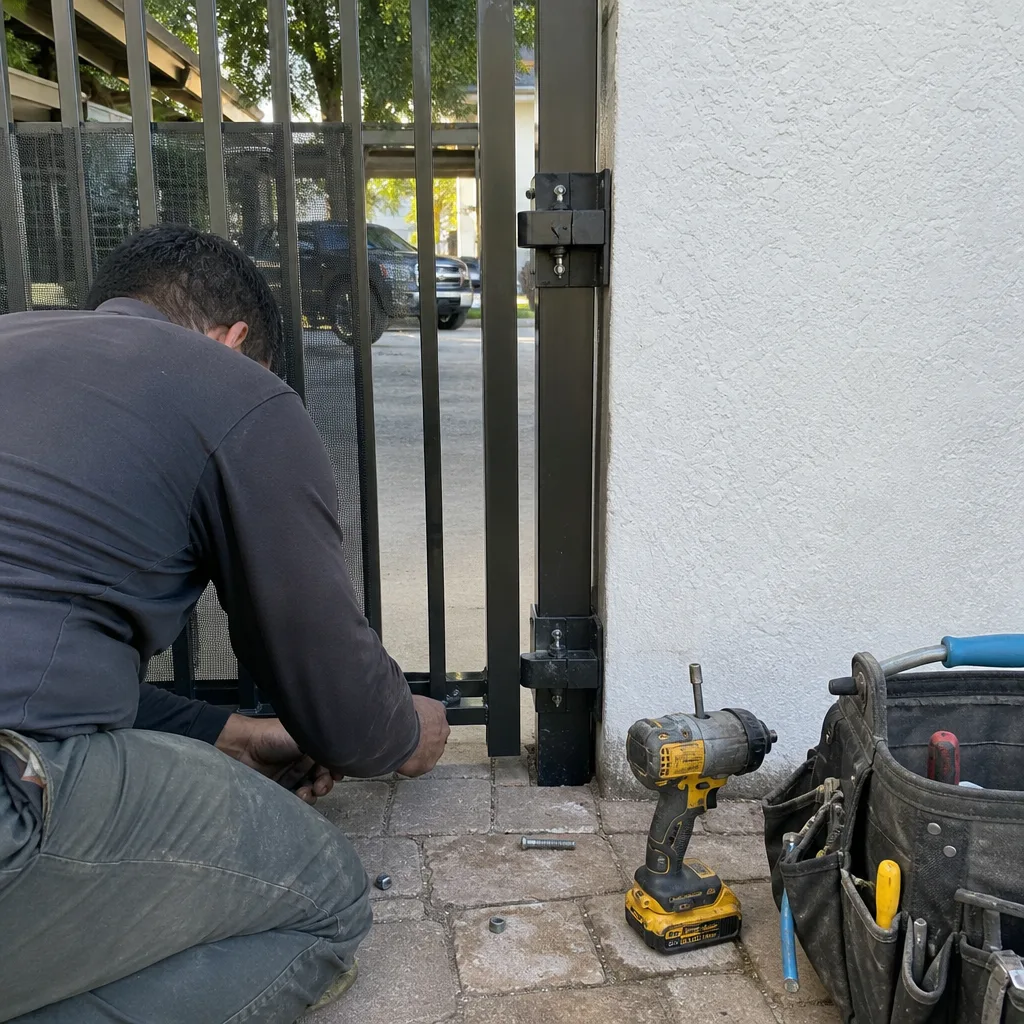 After
After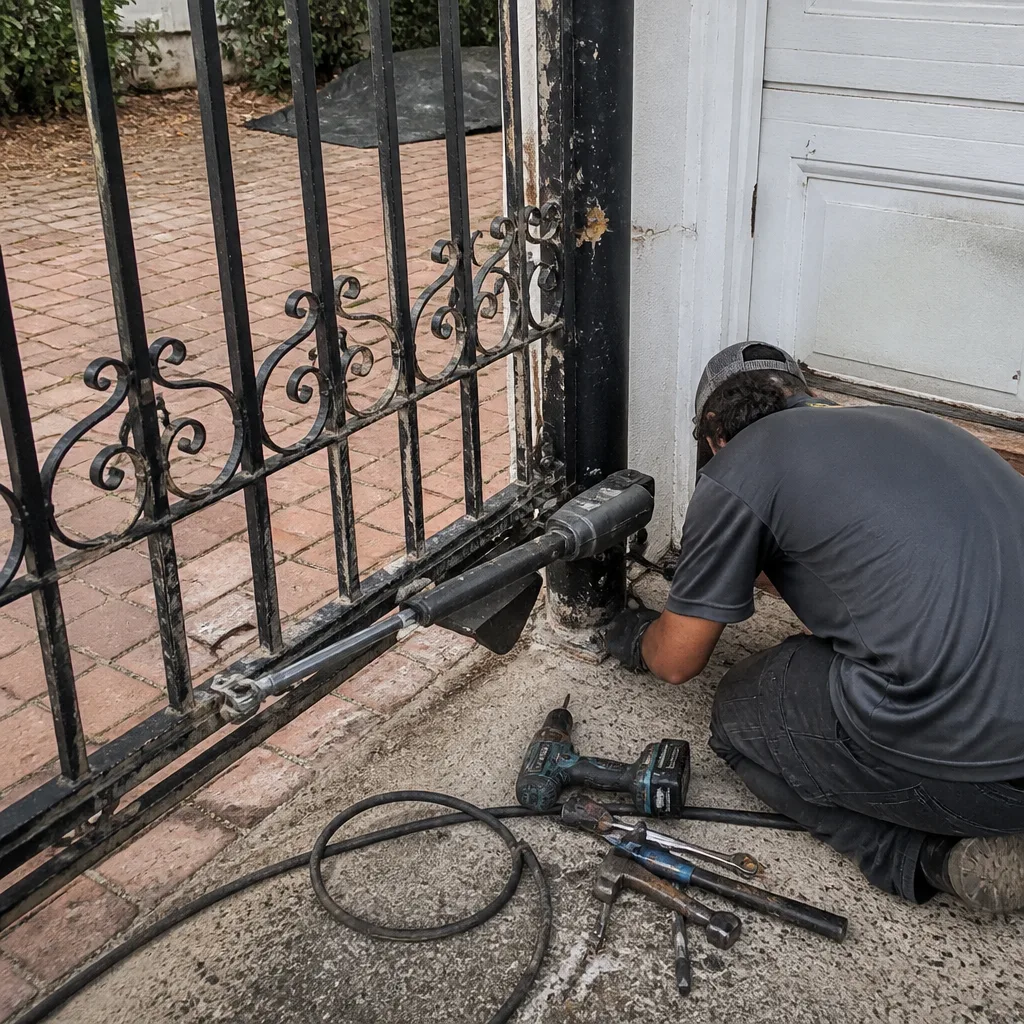 Before
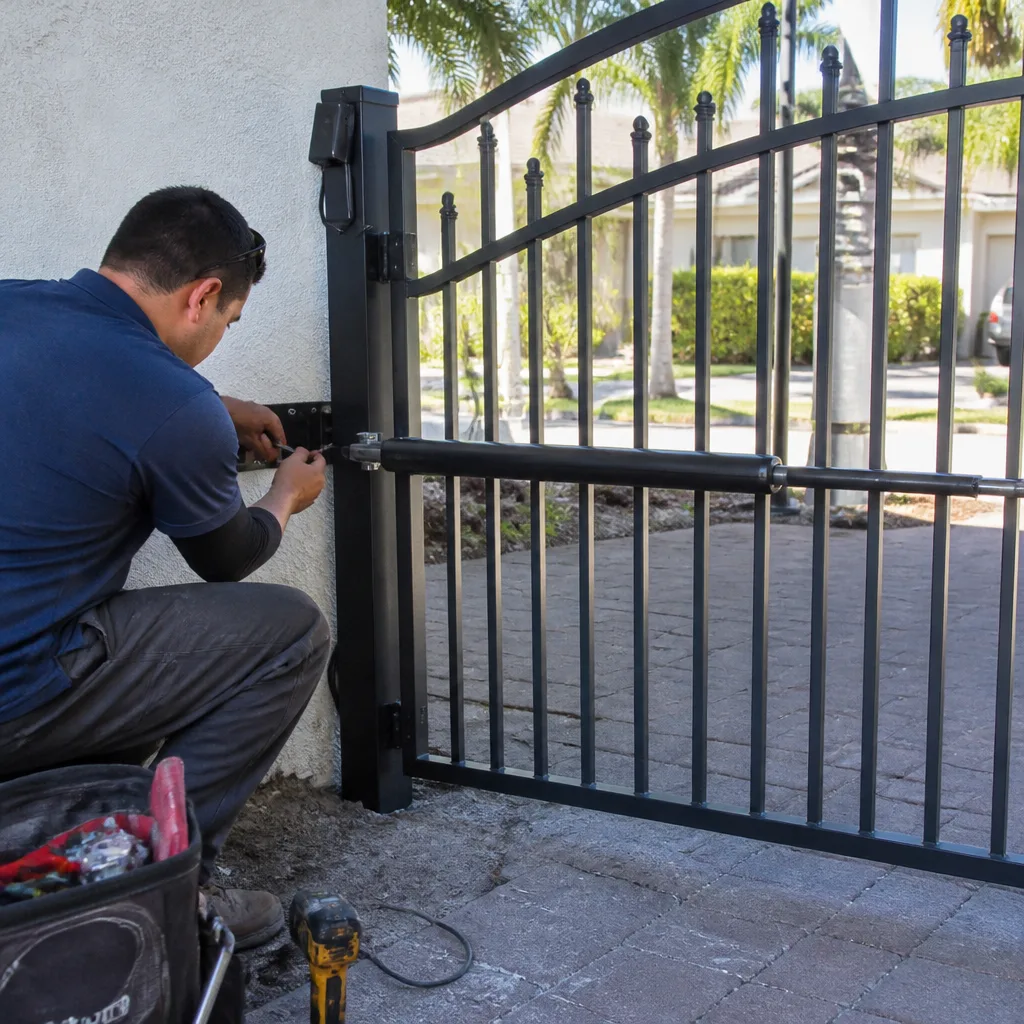 After
After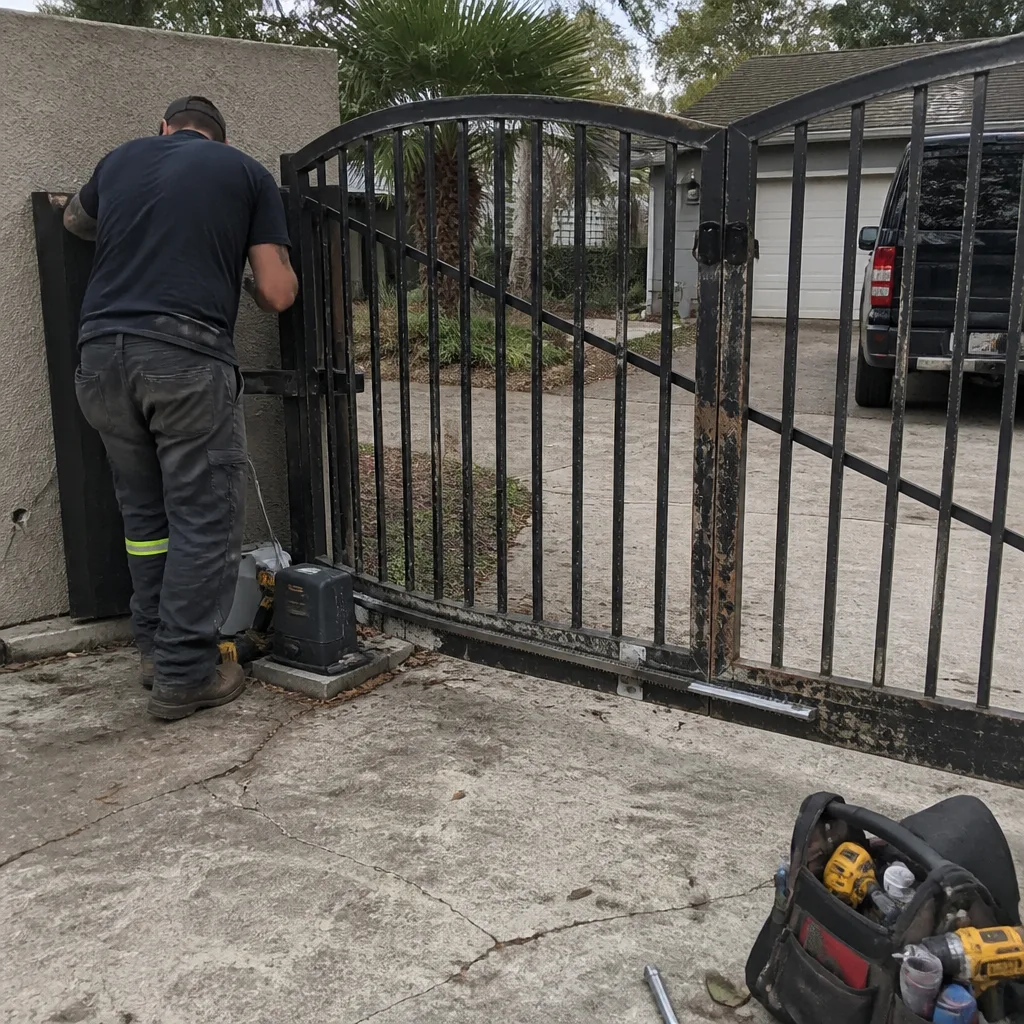 Before
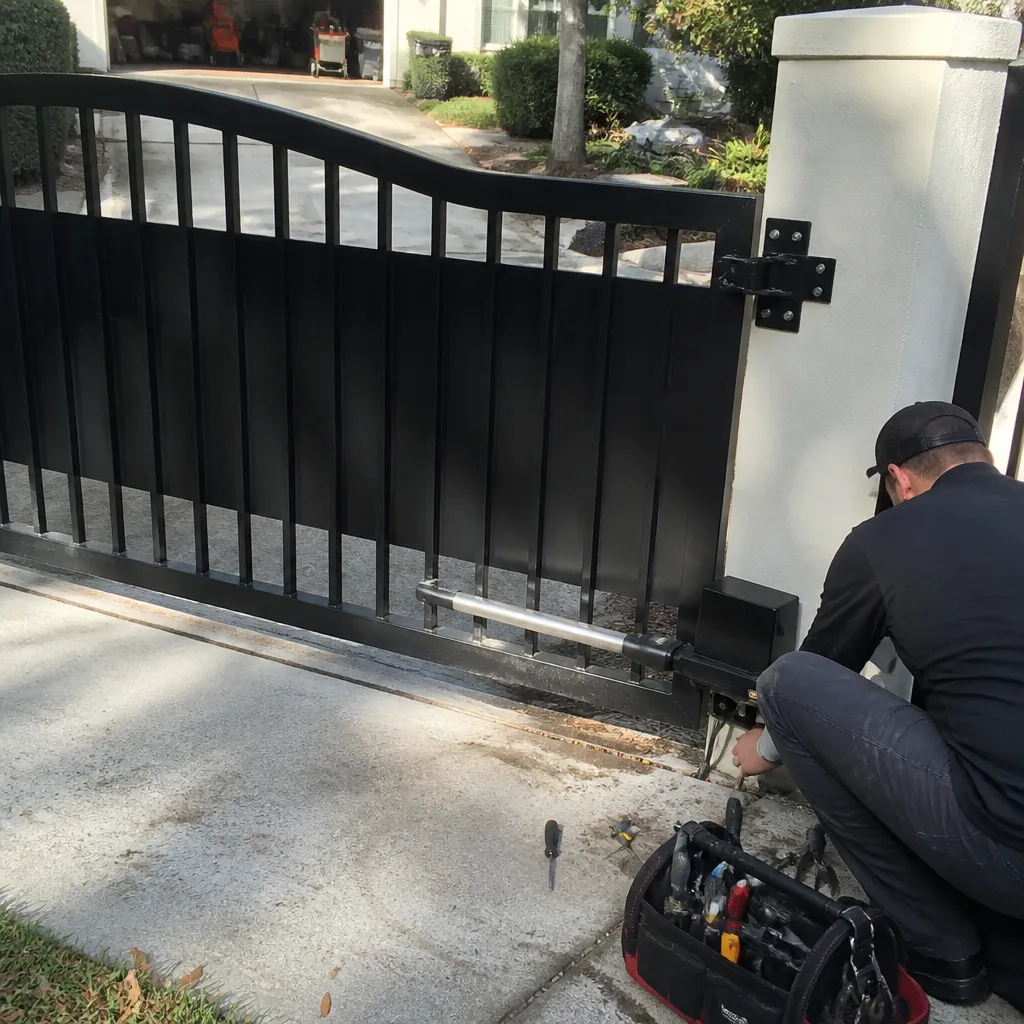 After
After